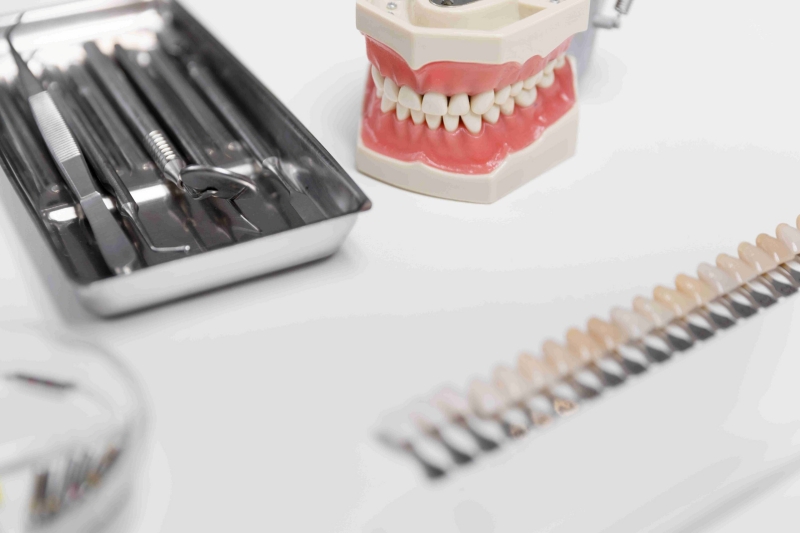
Smile with confidence, through oral surgery to solve problems like gaps between teeth, and yellow teeth.
Why not boost your confidence with oral surgery? It can effectively solve issues like crooked teeth, overlapping teeth, misalignment, and chipped teeth, giving you back a beautiful and confident smile.
If you’re concerned about your smile due to problems like misaligned teeth, gaps, or overcrowding, oral surgery can help resolve these issues. This dental treatment involves surgical procedures designed to correct more complex oral problems, especially for people who are not confident about their smile or have oral issues they want to address. If you want to enhance your smile and regain confidence, The Tooth Club will guide you through understanding what oral surgery is, the different types available, and which one is best suited for your needs.
What is Oral Surgery?
Oral surgery refers to dental treatments that involve surgery within the mouth to address various problems occurring in the mouth and jaw. These issues can range from common dental concerns to more complex ones, such as wisdom tooth extraction, tooth extractions, bone grafting, or jaw surgery. The goal is to improve overall oral health, resulting in a more beautiful and stronger mouth.
Reasons for Oral Surgery
To Solve Dental Problems
- Wisdom Teeth: Wisdom tooth extraction helps prevent inflammation, infections, pain, swelling, and other potential issues that may arise.
- Severely Damaged Teeth: Removing severely damaged teeth and replacing them with implants allows for better chewing function and enhances the appearance of your smile.
- Jaw Abnormalities: Jaw surgery addresses issues such as misaligned bite, chewing problems, and improves facial appearance.
Boost Confidence
- A beautiful smile and good oral health can enhance your confidence in social settings and professional environments.
Improve Oral Health
- Oral surgery can improve overall oral health. Procedures like root cleaning or gum disease treatment help reduce the risk of other oral health problems, such as periodontitis.
- Fixing bite issues or realigning teeth allows for more effective chewing and clearer speech.
- Timely treatment of oral problems can prevent other health issues related to the mouth, such as heart disease or diabetes.
Thus, oral surgery offers both health and aesthetic benefits. If you have concerns about your teeth, jaw, or gums, consult a dentist to receive advice and develop a suitable treatment plan for you.
Types of Oral Surgery
Oral surgery comes in various forms, both for cosmetic purposes and to improve oral health. Some of the most common types of oral surgery include:
Tooth Extraction
- Normal Tooth Extraction: For severely damaged teeth or teeth with problems like looseness.
- Wisdom Tooth Extraction: For impacted wisdom teeth that emerge incompletely or cause other problems.
Bone Grafting
- To prepare the area for dental implants when the jawbone is too thin.
- To repair bone damage after tooth extraction or surgery.
Dental Implant Surgery
- To replace missing tooth roots and help secure dental implants.
Gum Surgery
- Gum Contouring: To lengthen the visible portion of teeth and prepare them for crowns.
- Gum Disease Surgery: To address issues like gum inflammation, including treatments like scaling and root planing.
Jaw Surgery
- To correct jaw abnormalities, such as an overbite or underbite.
- To prepare the jaw for orthodontic treatment in cases where the jaw structure is abnormal.
Other Surgeries
- Surgery to treat oral diseases, such as removing oral tumors.
- Surgery to fix temporomandibular joint (TMJ) disorders, such as dislocation of the jaw joint.
These types of oral surgery are aimed at improving both function and aesthetics of the teeth, gums, and jaws.
Steps for Oral Surgery
- Initial Consultation: The dentist will inquire about your general health and dental history.
- Oral Examination: The dentist will thoroughly examine your mouth and explain the surgery, expected results, and potential risks. An appointment will be scheduled for the surgery.
- Pre-Surgery Instructions: On the day of surgery, it is recommended to avoid food and drink as instructed by the dentist.
- Pre-Surgery Medication: You may need to take prescribed medication to prepare your body for the surgery.
- Local Anesthesia: The dentist will apply a local anesthetic to the area where the surgery will take place to minimize pain.
- Surgical Procedure: The surgery will be performed, and once completed, the dentist will stitch the wound.
- Post-Surgery Care: After surgery, soft foods should be consumed, and hard foods should be avoided.
- Oral Hygiene: Rinse your mouth with saltwater, brush your teeth gently, and take the prescribed medications.
- Follow-Up: A follow-up visit to the dentist will be necessary to check the condition of the surgical site.
Things to Know Before Deciding to Undergo Oral Surgery
- Choose a Standard Clinic: It is important to select a clinic that is clean, has modern equipment, and employs specialized dentists.
- Consult Multiple Opinions: Consulting multiple dentists is recommended to compare and choose the most suitable treatment method.
- Prepare Yourself: Both your body and mind should be well-prepared before undergoing surgery.
- Consultation:
The dentist will examine your mouth and explain the treatment process, including the expected results.
- Treatment Plan: The dentist will create a personalized treatment plan, which may include using X-rays or CT scans to assist with the planning.
- Surgical Procedure: The surgery will be performed under the care of an experienced dentist.
- Post-Surgery Care: After surgery, you will receive instructions on how to care for yourself, including advice on diet, wound care, and medication use.
FAQs
Answer: After the surgery, some pain may occur, which is normal. Pain relief medication as prescribed by the dentist can be taken. The pain will gradually subside within the first 2-3 days and usually resolves within a week.
- How much does oral surgery cost?
Answer: The cost depends on the complexity of the procedure. Generally, the cost of oral surgery can range from a few thousand baht to tens of thousands or even hundreds of thousands of baht.


 OPEN: 10.00 AM – 8.00 PM