OPEN: 10.00 AM – 8.00 PM


 OPEN: 10.00 AM – 8.00 PM
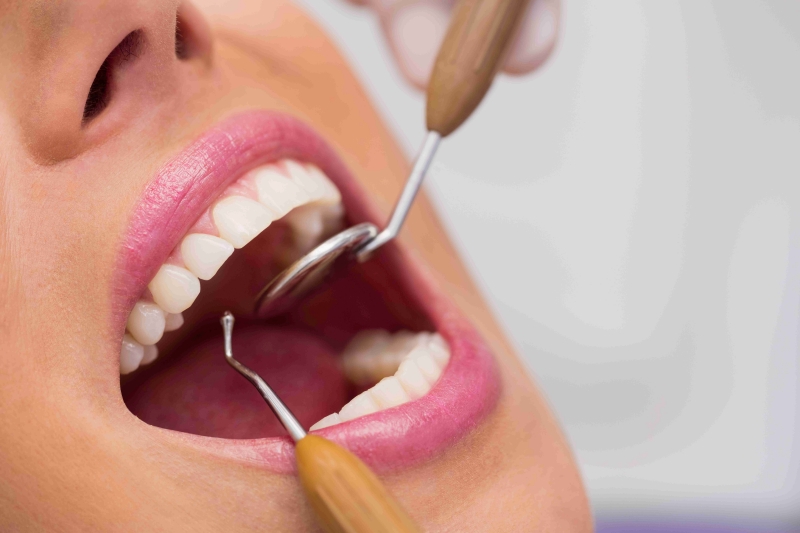
Dental scaling is a minor dental procedure that offers significant advantages for oral health. It helps eliminate bacteria hiding between teeth, prevents bad breath, and protects against gum disease.
Most of us are familiar with dental scaling, as dentists often recommend it every six months. However, the thought of the whirring sound of the scaling tool and the discomfort during the procedure often makes us reluctant to visit. If this sounds like you, it’s time to gain a better understanding of dental scaling and its importance.
This seemingly small procedure is essential for maintaining good oral health. Neglecting to remove plaque and tartar can lead to severe oral health issues, as the buildup of tartar over time opens the door to various dental problems. Don’t overlook the importance of this routine dental care if you want to keep your smile healthy and disease-free.
Tartar, also known as dental calculus, forms when bacteria from food debris or protein residues in the mouth accumulate between and on teeth. Over time, these residues harden into yellow or brown deposits that adhere to the tooth surfaces and between teeth. If not adequately cleaned, tartar builds up, leading to bad breath, tooth decay, and an increased risk of periodontal disease.
Dental Scaling is a procedure designed to remove tartar deposits from the surfaces and crevices of teeth using specialized dental instruments. The dentist uses tools to scrape or dislodge the tartar buildup effectively. This straightforward procedure is typically quick, although the duration depends on the amount of tartar present for each individual.
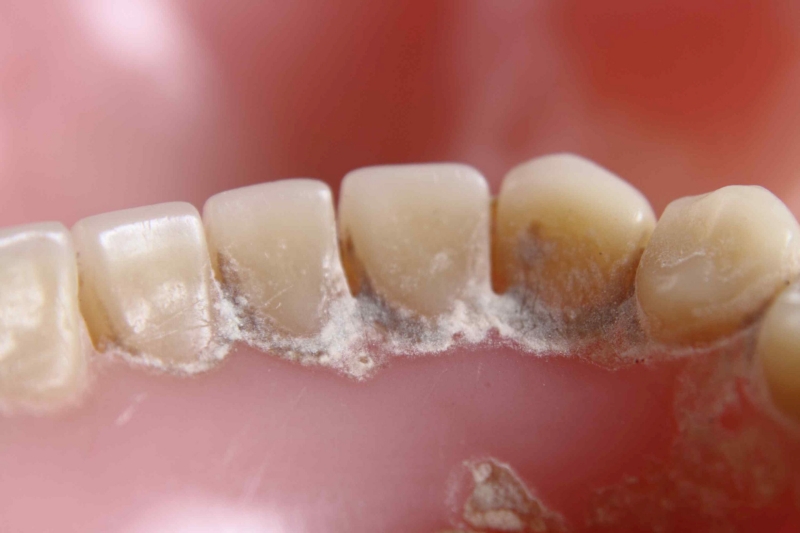
What Happens If You Skip Dental Scaling?
Avoiding dental scaling, for any reason, can significantly impact your oral health. Over time, tartar buildup accumulates on your teeth, leading to the following issues:
Regular dental scaling not only prevents these issues but also promotes a healthier, more confident smile.
Although dental scaling offers many benefits and is recommended at least twice a year, certain individuals should approach this procedure with caution to avoid potential complications:
Always inform your dentist about your medical history and any existing health concerns to ensure the procedure is safe and appropriate for your situation.

By incorporating these habits into your daily routine, you can maintain a cleaner, healthier smile and reduce the likelihood of tartar build-up.
Answer: It’s recommended to remove tartar every six months to maintain healthy teeth and gums. However, the rate of tartar accumulation varies by individual habits. Poor brushing techniques, frequent consumption of tea or coffee, and insufficient oral hygiene might necessitate more frequent visits, every 3–4 months.
Answer: Yes, tartar removal is classified as a dental treatment eligible for social security coverage. You can claim up to 900 THB per year per visit, provided you are insured under Section 33 or Section 39 and have contributed to the fund for at least three months. Check with the clinic or medical facility to verify your eligibility.
Answer: The cost varies by clinic or medical facility but generally starts at approximately 800 THB.