OPEN: 10.00 AM – 8.00 PM


 OPEN: 10.00 AM – 8.00 PM
24/09/2024
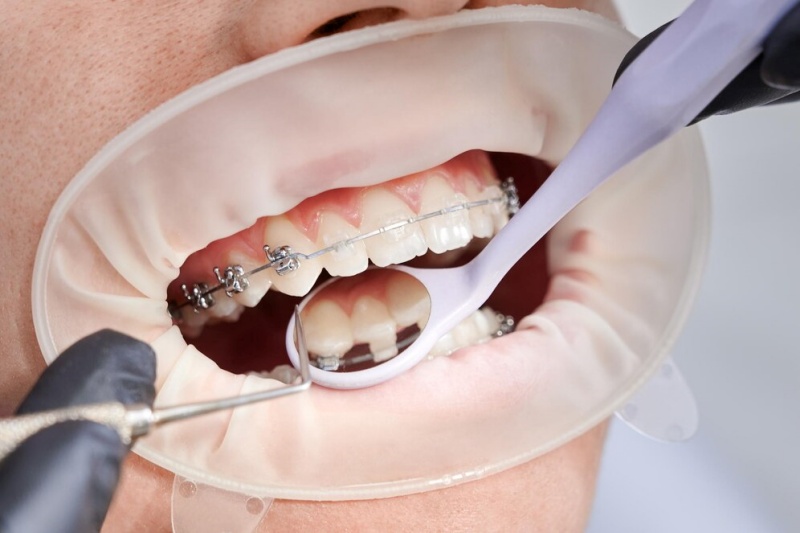
Did you know that older adults can also get braces? As our oral health naturally declines over time, it’s important to maintain proper care suited to our age. Today, we’ll help you understand the process of getting braces in older adults—how it works, whether it’s painful, and if there are any risks involved.
No matter your age, you can get braces because dental issues such as crooked teeth, gaps, and overbites can occur at any age and should be addressed properly before they affect daily life, confidence, or become a more complex issue. For seniors considering braces, The Tooth Club has gathered all the essential information on what type of braces to choose, how to care for them, and whether the existing dental issues are suitable for treatment.
As mentioned earlier, our dental health deteriorates with age. If we have dental issues that require braces, it’s still possible to get them, even at an older age. Here are some oral health conditions that may require braces:
There is no age limit for starting braces treatment. The decision to begin braces is based on the dentist’s diagnosis of the patient’s dental issues. In general, treatment can begin as early as childhood, typically before the age of 10, and adults over 60 can also get braces. However, adults must have specific indications for braces, and they need to have good oral health before proceeding with treatment. This decision is primarily at the discretion of the dentist.

Here are the types of braces suitable for older adults and their starting prices:
The choice of braces depends on the individual’s dental issues, as each type of braces has its own advantages and limitations. It is best to consult with a dentist to plan the treatment closely, allowing the patient to choose the most suitable type of braces for their dental concerns.

Recommended foods for people with braces are typically soft, easy-to-chew, and easily digestible to avoid putting too much pressure on the braces. Some options include:
It depends on the dentist’s professional judgment, as not every case requires tooth extraction before braces can be applied. The dentist will take X-rays of the mouth and teeth to determine if any teeth need to be extracted. Afterward, they will plan the appropriate treatment based on the individual case.
When getting dental implants, it’s important not only to understand the meaning and procedure of dental implants but also to …
1 year agoAnother type of dental implant suitable for those who have lost all their teeth is the 3 on six. If …
2 years agoSmall issues like chipped or cracked teeth can have long-term effects on both health and appearance without us even realizing …
2 years ago