OPEN: 10.00 AM – 8.00 PM


 OPEN: 10.00 AM – 8.00 PM
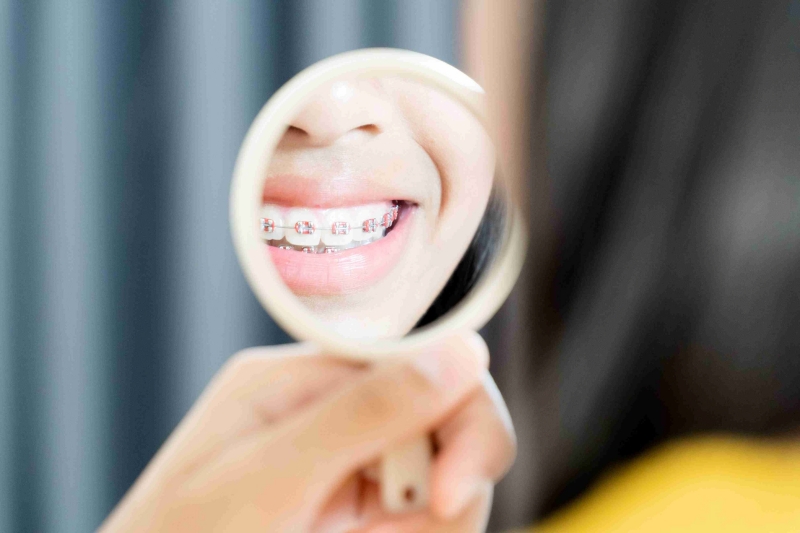
Orthodontic treatment for children is an effective way to address issues such as crooked, overlapping, or misaligned teeth that can occur during their development. If you’re a parent considering braces for your child, it’s important to understand key information before proceeding.
For parents who plan to take their child to get braces due to problems such as crowded teeth, improper bites, difficulty chewing, or the risk of cavities and other oral health issues, we’ve compiled all the essential details you need. This includes information on the types of braces used, preparation tips before visiting the orthodontist, and aftercare advice following treatment. Let’s explore everything you need to know to make the process as smooth as possible!
Children’s orthodontic treatment is a way to address early dental issues in kids. It can be done starting from the primary (baby) teeth or mixed (baby and adult) teeth stage, to correct problems such as crowded teeth, protruding teeth, or alignment issues that affect chewing and overall oral health. Not all children need braces. If a child’s teeth are not significantly problematic, orthodontic treatment may not be necessary. It’s best to take your child to see a dentist for an initial assessment before making any decisions.
As for the cost of children’s orthodontic treatment, it varies by clinic and healthcare facility. On average, prices start around 15,000 THB. If you’re interested in having your child undergo orthodontics, feel free to consult THE TOOTH CLUB at no cost. You can send photos for the dentist to evaluate. We have pediatric dentistry specialists who are gentle, knowledgeable in child psychology, and will closely monitor your child’s dental health from their first set of baby teeth to the permanent set that will last a lifetime.
For more information, you can contact us via LINE: @thetoothclub or call 061-384-8877, 081-107-2727.
Orthodontic treatment for children can begin as early as 6-7 years old, during the primary (baby) teeth stage or mixed (baby and adult) teeth stage. There’s no need to wait until adolescence because dental alignment is often easier to correct in childhood than in the teen years. However, if your child begins to show signs of dental issues, parents can bring them in for a consultation with a dentist to create an appropriate treatment plan.
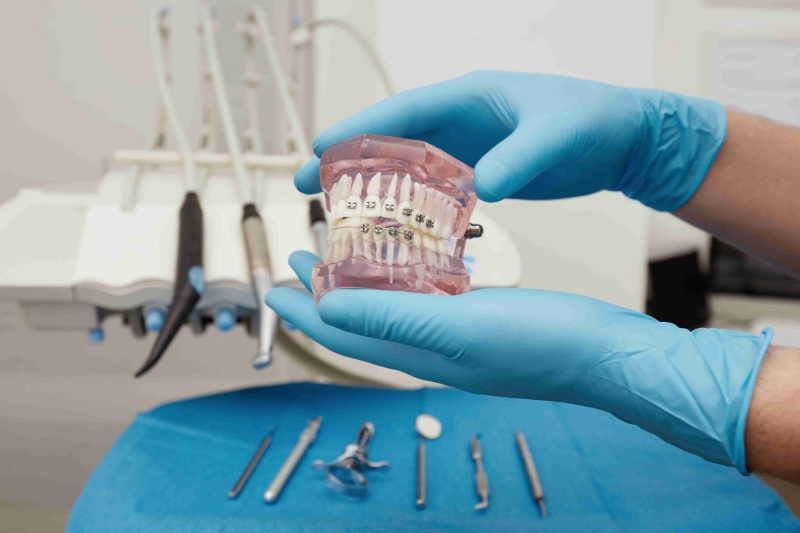
Similar to adult braces, children’s orthodontic tools can be either fixed or removable. Fixed appliances involve attaching the device to the surface of the teeth. These can be subdivided into two types: with rubber bands and without rubber bands. Another type of fixed appliance is Damon Braces, which move teeth faster and cause less irritation than traditional metal braces.
This uses clear plastic aligners to straighten children’s teeth. These aligners can be removed for cleaning, offer quicker treatment, and have a more aesthetic appearance, but they come at a higher cost.
Before taking your child for orthodontic treatment, parents should have an open and honest conversation with them about what orthodontics is, its purpose, and the expected outcomes. This helps the child understand the procedure, reducing anxiety and fear. Avoid threatening or scaring the child, as it might cause them to resist the treatment.
On the day of the procedure, ensure your child gets adequate rest and eats a light meal beforehand—about one hour before the appointment—to prevent overeating. This helps with digestion and avoids vomiting during the procedure. Don’t forget to ensure the child’s mouth is clean before seeing the dentist.
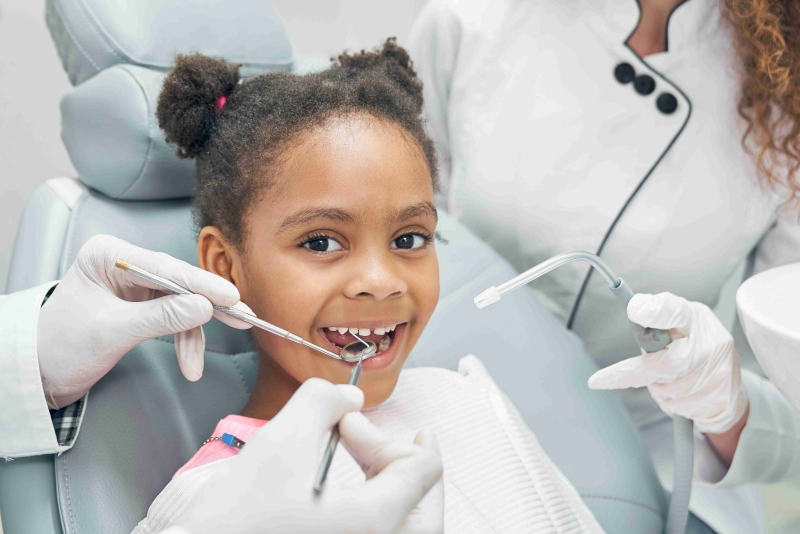
Yes, for all types of orthodontic treatment, the dentist will perform a thorough examination and clear the mouth beforehand to prevent any issues during the process. If you decide to have your child undergo orthodontics, the dentist will inspect the mouth carefully to identify any existing problems that need to be addressed. If there is tartar, tooth decay, or gum issues, the dentist will proceed with scaling, filling cavities, and treating any gum inflammation before starting the orthodontic process. The mouth cleaning process can take around a month or more.
Answer: Yes, it is important. Parents should take their child to the dentist regularly every 6 months starting from the eruption of the first baby tooth. This helps maintain oral health, teach proper brushing techniques, and prevent future dental issues.
Answer: It depends on the child’s dental issues. Typically, children’s orthodontic treatment takes about 12-24 months to align the teeth. Treatment is divided into two phases: the first phase occurs when some permanent teeth have erupted but baby teeth are still present, focusing on adjusting the jaw size to prevent future issues with permanent teeth. The second phase is when the child is older and aims to correct and align the teeth for a beautiful smile.