OPEN: 10.00 AM – 8.00 PM


 OPEN: 10.00 AM – 8.00 PM

Dental fillings are not as scary as they might seem, but they are something we should all pay attention to. This procedure is essential in helping extend the life of our teeth, keeping them with us for longer, and protecting us from the serious issues that arise from tooth decay.
When it comes to dental fillings, most of us are familiar with this dental treatment, as it is a common procedure that we need to undergo when our teeth develop cavities. However, we might still have lingering questions such as: What exactly is a dental filling? Does it hurt every time? Why do we need fillings in the first place? And which type of filling is best for us?
To answer all of these questions, today, we’re going to dive into everything you need to know about dental fillings.
A dental filling is a common dental procedure used to repair teeth that have been damaged by decay, wear, accidents, or cracks. The dentist uses various types of filling materials to fill or seal the damaged areas of the tooth, preventing further damage and restoring the tooth’s function, strength, and appearance. However, a tooth can only be treated with a filling if the damage has not reached the tooth’s nerve pulp, and there is still enough healthy tooth structure for the filling material to bond to.
Neglecting damaged teeth can allow bacteria, food particles, and other debris to accumulate in the cavities, cracks, or grooves, leading to a variety of oral health issues such as gum disease, abscesses, pulpitis (inflammation of the tooth’s nerve), root damage, and in some cases, it could even progress to oral cancer. A dental filling serves as an early solution, helping to prevent bacteria, germs, and food particles from getting trapped in the cavities, thus preventing further damage and more serious oral health problems.
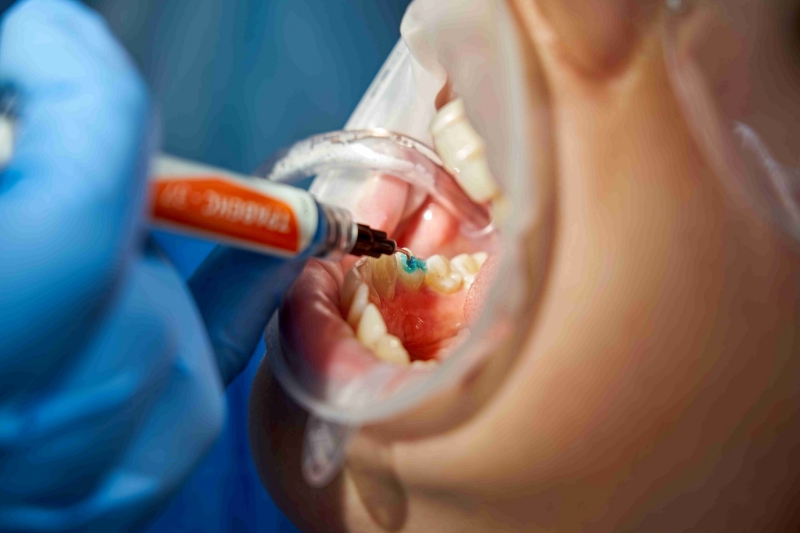
Dental filling materials are synthetic substances used to fill cavities in teeth, and they are divided into three main categories: metal-colored materials, and tooth-colored materials. Each type has its advantages, disadvantages, and suitability, as described below:

The cost of a dental filling varies depending on factors such as the type of dental issue, the complexity of the treatment, which tooth is affected, how many surfaces need to be filled, the material used, and the healthcare facility. Typically, the cost of a dental filling starts around 600-1,500 baht. If you’re considering a filling, it’s best to consult with a dentist first for a diagnosis and treatment plan.
Answer: Yes, social security benefits can be used to cover up to 900 baht per year for dental fillings.
Answer: No, skipping treatment for a cavity can lead to more serious problems. A cavity left untreated will continue to expand and deepen, potentially causing issues such as tooth pain, loose teeth, tooth sensitivity, abscesses, gum infections, and more. In severe cases, you may need a root canal or even have the tooth extracted and replaced with a prosthetic.
Answer: It depends on the dentist’s diagnosis. If the tooth damage is minor and still suitable for a filling, the dentist will likely opt for that treatment. However, if the damage is severe and affects the root, the dentist may recommend a root canal or a dental implant.
Answer: On average, a dental filling takes 30-45 minutes per tooth, depending on the location, the severity of the issue, and the complexity of the treatment, as well as the cooperation of the patient.
Answer: There may be some discomfort or sensitivity during the process of drilling the tooth, especially if the decay is close to the tooth’s nerve. However, don’t worry—your dentist will use a local anesthetic to numb the area and reduce any pain or sensitivity.
Answer: It depends on the dentist’s diagnosis. If the tooth has significant damage, the dentist may consider using porcelain for the filling instead of other materials. However, this will also depend on the patient’s budget, as porcelain materials tend to be more expensive than others.