clock OPEN: 10.00 AM – 8.00 PM

OUR SERVICESDental Scaling

What is dental scaling, and can it really help prevent gum disease?

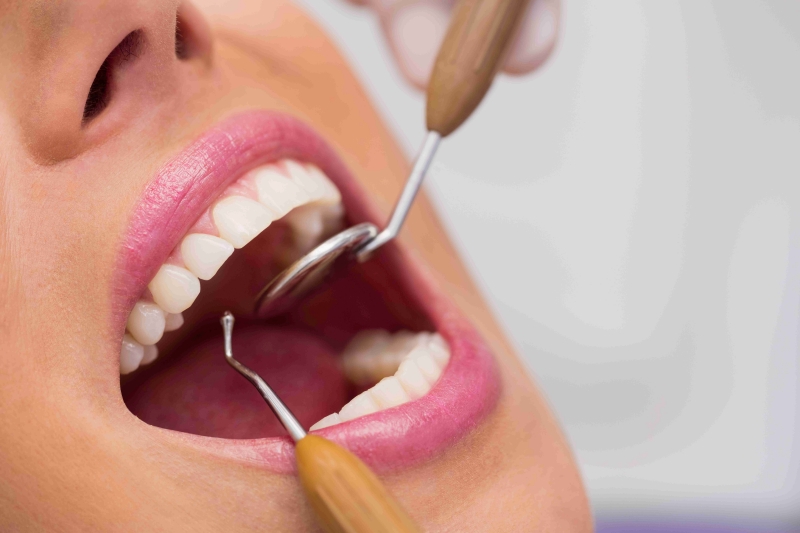
Dental scaling is a minor dental procedure that offers significant advantages for oral health. It helps eliminate bacteria hiding between teeth, prevents bad breath, and protects against gum disease.

Most of us are familiar with dental scaling, as dentists often recommend it every six months. However, the thought of the whirring sound of the scaling tool and the discomfort during the procedure often makes us reluctant to visit. If this sounds like you, it’s time to gain a better understanding of dental scaling and its importance.

This seemingly small procedure is essential for maintaining good oral health. Neglecting to remove plaque and tartar can lead to severe oral health issues, as the buildup of tartar over time opens the door to various dental problems. Don’t overlook the importance of this routine dental care if you want to keep your smile healthy and disease-free.

How Does Tartar Form?

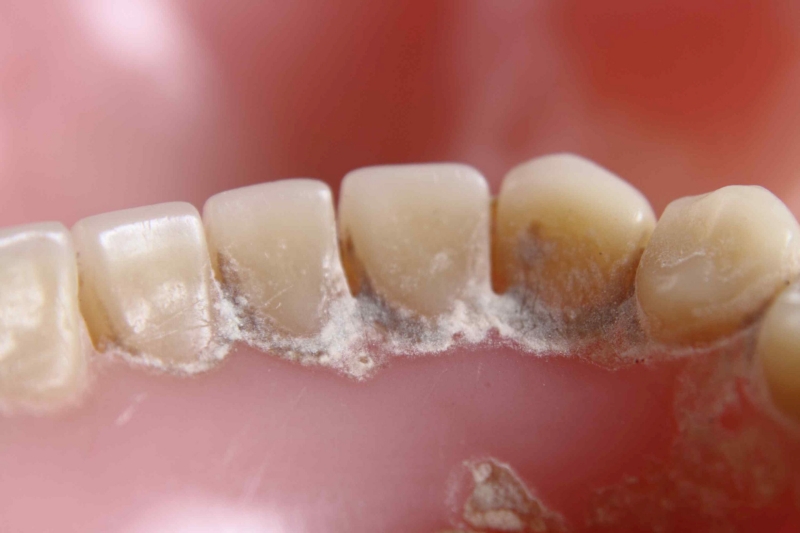
Tartar, also known as dental calculus, forms when bacteria from food debris or protein residues in the mouth accumulate between and on teeth. Over time, these residues harden into yellow or brown deposits that adhere to the tooth surfaces and between teeth. If not adequately cleaned, tartar builds up, leading to bad breath, tooth decay, and an increased risk of periodontal disease.

Dental Scaling is a procedure designed to remove tartar deposits from the surfaces and crevices of teeth using specialized dental instruments. The dentist uses tools to scrape or dislodge the tartar buildup effectively. This straightforward procedure is typically quick, although the duration depends on the amount of tartar present for each individual.
Benefits of Dental Scaling: How Does It Help?

  • Prevents Gum Disease and Periodontal Issues: Reduces the risk of conditions like gingivitis and periodontitis.
  • Protects Against Tooth Decay: Helps prevent cavities by eliminating tartar buildup.
  • Minimizes Bad Breath: Removes bacteria that cause unpleasant mouth odor.
  • Reduces the Risk of Root Infections: Keeps roots healthy and free from inflammation.
  • Extends Tooth Longevity: Enhances the durability of natural teeth.
  • Improves Chewing Confidence: Stronger teeth make eating more enjoyable.
  • Boosts Self-Confidence: Encourages confident smiles with healthier-looking teeth.
  • Enhances Appearance: Whitens teeth by removing unsightly yellow tartar stains.

What Happens If You Skip Dental Scaling?

Avoiding dental scaling, for any reason, can significantly impact your oral health. Over time, tartar buildup accumulates on your teeth, leading to the following issues:

  1. Gum Inflammation: Tartar irritates the gums, causing them to become red, swollen, and prone to bleeding.
  2. Periodontal Disease: Neglected tartar buildup progresses to periodontitis, a severe gum disease that requires extensive treatment.
  3. Tooth Decay: The accumulation of tartar can contribute to cavities that, if untreated, may lead to tooth extractions.
  4. Systemic Health Risks: Inflammation and bacteria in the oral cavity may enter the bloodstream, potentially increasing the risk of heart disease and other systemic conditions.

Regular dental scaling not only prevents these issues but also promotes a healthier, more confident smile.

Who Should Avoid Dental Scaling?

Although dental scaling offers many benefits and is recommended at least twice a year, certain individuals should approach this procedure with caution to avoid potential complications:

  • Pregnant Women in the Second and Third Trimesters Scaling is generally safe, but it should only be performed under the strict supervision of a dentist to ensure the safety of both mother and baby.
  • Patients with Periodontal Disease Active periodontal disease must be treated first before considering scaling.
  • Individuals with Serious Health Conditions People with conditions such as cancer, leukemia, diabetes, high blood pressure, kidney failure, liver disease, or blood clotting disorders should consult their healthcare provider and dentist before undergoing scaling.
  • Patients with Underlying Conditions Triggered During the Procedure Those with heart disease, who may experience chest pain or shortness of breath, or asthma patients, as the ultrasonic vibrations of dental tools could potentially aggravate their symptoms.

Always inform your dentist about your medical history and any existing health concerns to ensure the procedure is safe and appropriate for your situation.

Ways to Prevent Tartar Build-Up

  • Visit Your Dentist Regularly Schedule dental check-ups at least every six months to monitor your overall oral health and the presence of tartar.
  • Brush Your Teeth Properly and Thoroughly Brush all your teeth, both upper and lower, using a fluoride toothpaste. This helps to inhibit bacterial growth and prevent cavities. Take your time to brush gently but thoroughly.
  • Use Dental Floss and Interdental Brushes Floss and clean between your teeth after every meal to remove food debris and prevent bacteria accumulation.
  • Limit Sugary, Starchy, and Fatty Foods These types of food promote bacterial growth in the mouth, leading to tartar formation.
  • Avoid Smoking Smoking not only affects your overall health but also increases tartar build-up and stains your teeth.
  • Drink Plenty of Clean Water Staying hydrated helps rinse away food particles and slows the growth of bacteria in your mouth.

By incorporating these habits into your daily routine, you can maintain a cleaner, healthier smile and reduce the likelihood of tartar build-up.

Post-Tartar Removal Care

  • Eat Soft Foods Avoid spicy foods, tea, coffee, and alcoholic beverages as they may irritate your gums and cause your teeth to stain faster.
  • Manage Pain or Discomfort If you experience gum or tooth pain, you can take pain relievers or anti-inflammatory medications, but only under the supervision of your dentist.
  • Monitor for Unusual Symptoms If you notice pus, excessive tooth sensitivity, or abnormal inflammation, return to your dentist immediately for evaluation.
  • Schedule Follow-Up Visits Revisit your dentist six months after your tartar removal to monitor the results and maintain oral health.

FAQs

  • How often should I have tartar removal?

Answer: It’s recommended to remove tartar every six months to maintain healthy teeth and gums. However, the rate of tartar accumulation varies by individual habits. Poor brushing techniques, frequent consumption of tea or coffee, and insufficient oral hygiene might necessitate more frequent visits, every 3–4 months.

  • Can tartar removal costs be covered by social security?

Answer: Yes, tartar removal is classified as a dental treatment eligible for social security coverage. You can claim up to 900 THB per year per visit, provided you are insured under Section 33 or Section 39 and have contributed to the fund for at least three months. Check with the clinic or medical facility to verify your eligibility.

  • How much does tartar removal cost?

Answer: The cost varies by clinic or medical facility but generally starts at approximately 800 THB.