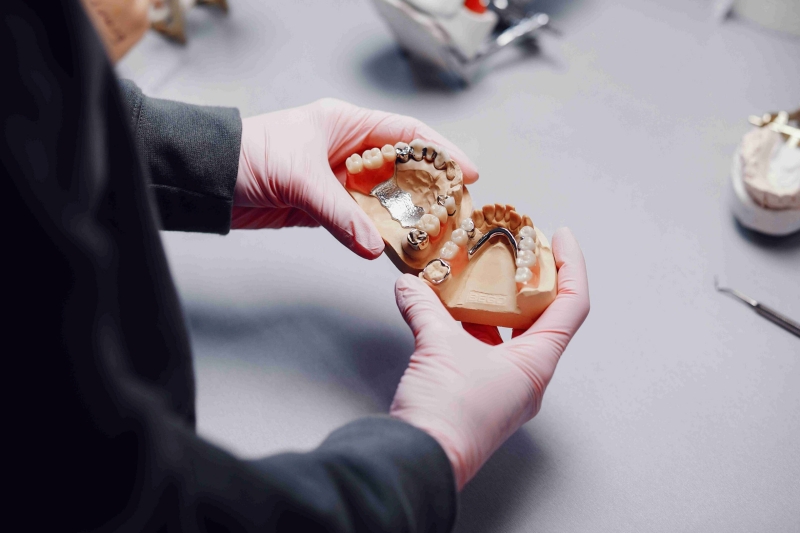
clock OPEN: 10.00 AM – 8.00 PM

OUR SERVICESDentures

Everything You Need to Know About Dentures: What Are They and How to Choose the Right Type

Did you know? Dentures aren’t just full-mouth replacements; there are also partial dentures designed to solve specific issues! If you’re curious about what dentures really are, how many types there are, and how to choose the right one, let’s find out together.

When it comes to dentures, many of us likely think of the full-mouth dentures we often see in movies. However, dental dentures come in various forms, depending on their intended use and the specific dental issues they address. Today, The Tooth Club invites you to explore the world of dentures—how many types there are, what each type looks like, and which one is best suited for different situations. And if one day you decide to get dentures, which type should you choose for the best results? Let’s dive into the details!

What are dentures?

Dentures are artificial teeth designed to replace natural teeth that have been lost for various reasons. They come in different types, including single-tooth, multiple-teeth, and full-mouth dentures. Dentures can be worn to replace any lost tooth, in any position, and are made from various materials depending on their intended use. They help restore the ability to eat effectively, just like natural teeth. Dentures also prevent remaining teeth from shifting or tilting, and they protect against damage caused by misaligned opposing teeth.

What are the types of dentures?

Removable Dentures: These are dentures that can be removed for cleaning and are not permanently attached to the teeth or gums. They are ideal for individuals who still have some natural teeth remaining, which can be used as anchors for the dentures. Removable dentures can be divided into two types:

  • Partial Dentures: These replace one or more missing teeth and are made from various materials like plastic, metal, or flexible plastics, depending on the intended use.
  • Full Dentures: These are made entirely of plastic or a combination of metal and plastic and are used to replace all the natural teeth in the mouth.

Fixed Prosthodontics (Permanent Dentures): These dentures are permanently attached to the mouth, using surrounding natural teeth or remaining tooth structure as anchors. While they may feel uncomfortable at first, they are stronger and more durable than removable dentures. Fixed dentures include the following types:
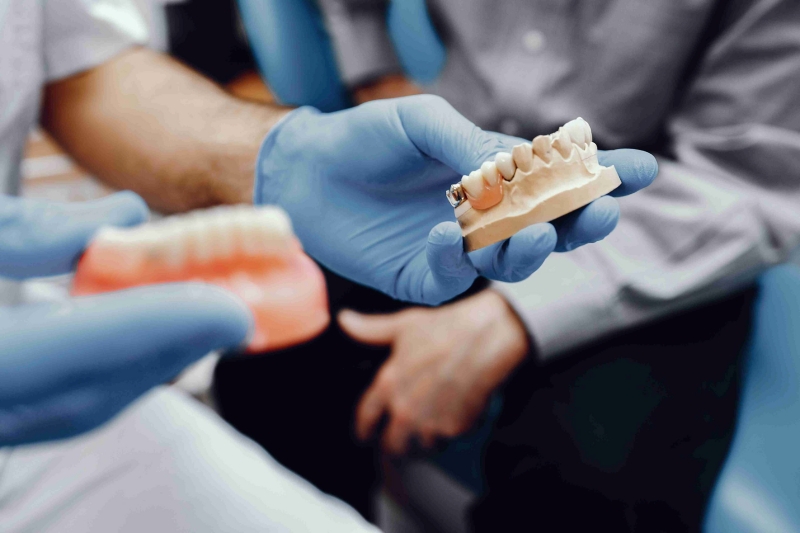
  • Dental Crown: A crown is placed over a damaged tooth to protect it from further damage and restore the tooth’s ability to chew effectively.
  • Bridge: A bridge involves placing a crown over a problematic tooth with support from the two adjacent teeth. It is suitable for individuals who still have some natural teeth on either side of the missing ones.
  • Dental Implant: This involves replacing a lost tooth root with an artificial root that is secured into the jawbone, often in the form of a screw-like implant. The implant serves as an anchor for a replacement tooth.

Pros and Cons of Different Types of Dentures

Pros of Removable Dentures:

  • Affordable: The cost is generally lower than other types of dentures.
  • Quick and simple to make: The process is relatively fast and uncomplicated.
  • Aesthetic appeal: They look similar to natural teeth.
  • Prevents adjacent teeth from shifting: Helps prevent adjacent teeth from tilting, falling, or causing opposing teeth to extend.
  • Easy to clean: They can be removed for cleaning.
  • Versatile: They can replace multiple teeth or an entire set of teeth.

Cons of Removable Dentures:

  • Can be uncomfortable: You may feel discomfort while wearing them.
  • Difficult to chew certain foods: Hard or sticky foods may cause discomfort and may irritate the gums.
  • May loosen over time: They can become loose and may slip out of place as they are used.
  • Food can get trapped: Food particles may get stuck underneath the denture.
  • Easily misplaced: There’s a risk of forgetting them or losing them, requiring a new set.

Pros of Fixed Dentures:

  • Long-lasting: They are firmly attached and won’t come loose easily.
  • Better chewing ability: They allow for more natural chewing, similar to real teeth.
  • Minimal discomfort: There’s only discomfort during the initial adjustment period.
  • Natural appearance: They look very similar to real teeth.
  • Durable: They have a long lifespan.

Cons of Fixed Dentures:

  • Expensive: Fixed dentures are generally more costly than removable ones.
  • Cannot be removed for cleaning: Since they are permanently fixed, you cannot take them out to clean. Poor oral hygiene can lead to complications.
  • Requires tooth preparation: To fit fixed dentures, adjacent natural teeth may need to be shaved down, resulting in loss of tooth structure.

Who Should Wear Dentures?

Dentures are suitable for individuals who have lost their natural teeth and need artificial teeth to replace them. The type of denture used depends on the cause, the nature of the problem, and the dentist’s professional judgment. Groups of people who should consider wearing dentures include:
  • Individuals with broken, chipped, or cracked teeth, or those who have lost teeth due to accidents.
  • People who have lost multiple teeth due to various reasons, such as aging or severe tooth decay.
  • People who have severe gum disease (periodontal disease) that requires tooth extraction.

Price of Different Types of Dentures

The price of dentures varies depending on the materials used, the number of teeth that need to be replaced, and the clinic or healthcare facility where the treatment is received. Generally, the starting price for removable dentures is around 3,000 THB, while fixed dentures typically start at 15,000 THB.

How to Care for Dentures

  • Avoid eating foods that are too hard or sticky, as they can put extra stress on both removable and fixed dentures.
  • Clean your teeth and mouth thoroughly after eating to prevent food particles from getting stuck between your teeth or dentures.
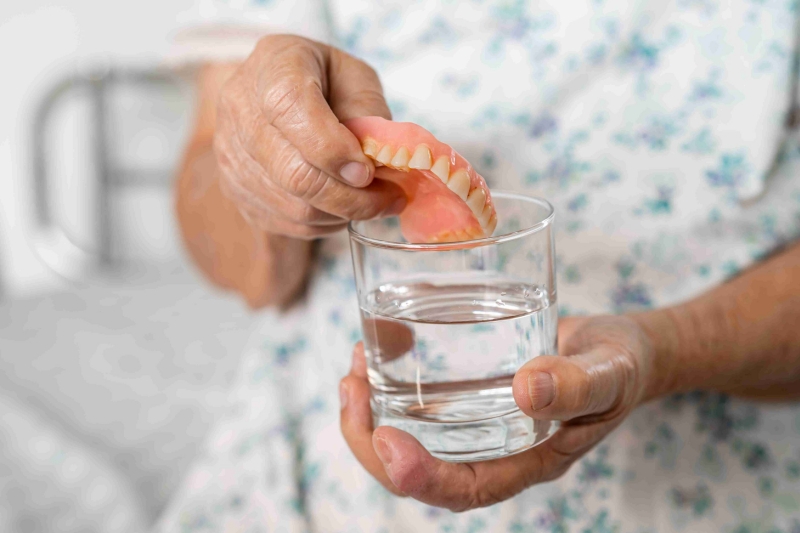
  • For removable dentures, take them out before bedtime, clean them properly with water and a soft toothbrush, and soak them overnight. Do not let the dentures dry out, and use denture cleaning tablets once a week.
  • For fixed dentures, use dental floss to clean the gum line and edges to remove food particles.
  • Visit the dentist every 6 months for a check-up on the condition of your dentures and overall oral health.

FAQs

  • How long do dentures last?

Answer: The lifespan of dentures depends on the type of denture. For removable dentures, they typically last about 5-10 years, while fixed dentures can last around 15 years. However, this depends on the patient’s daily habits, the material of the dentures, and how well they are maintained.

  • Can I get braces while wearing dentures?

Answer: If you have removable dentures, your dentist will likely recommend stopping the use of the dentures during orthodontic treatment. For fixed dentures, you can still get braces, but it’s important to inform your dentist about which teeth are dentures before starting treatment.