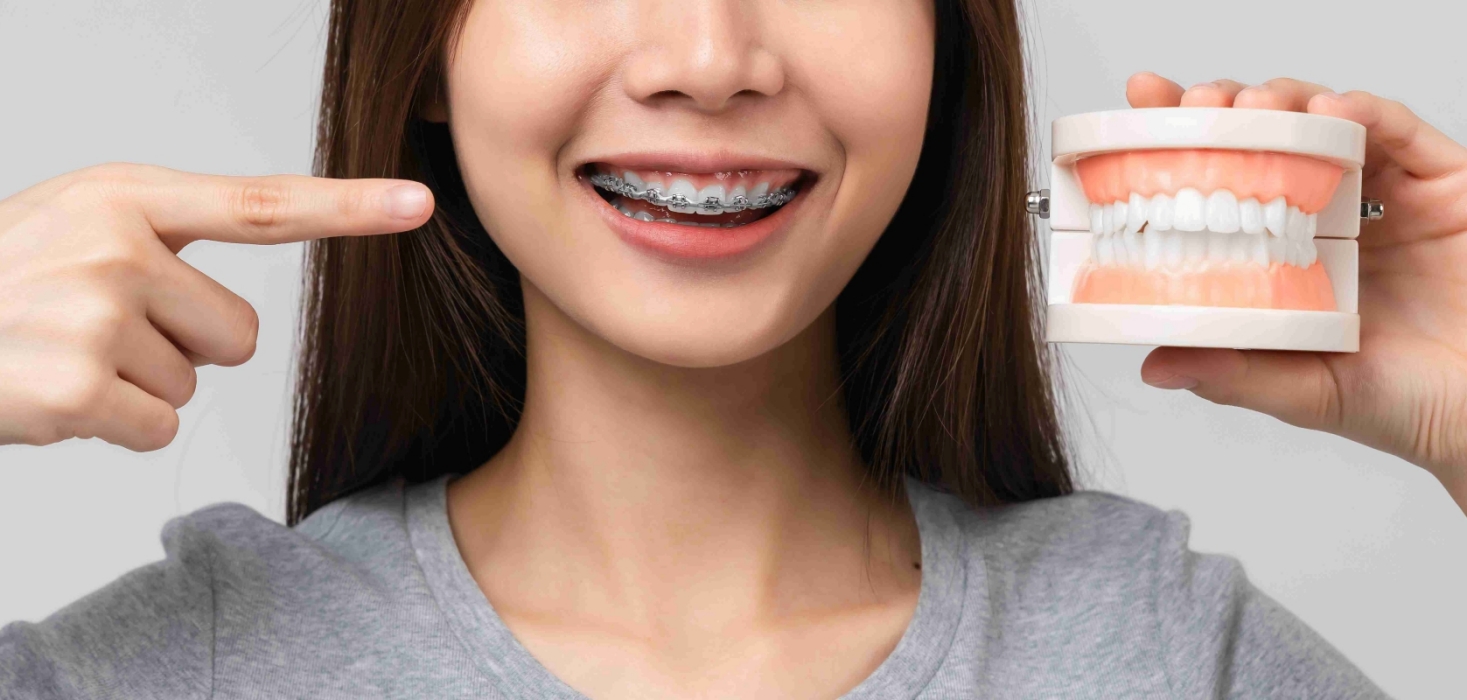
Everything You Need to Know About Orthodontics
Orthodontics is a dental procedure ideal for individuals with issues like misaligned teeth, protruding teeth, crooked teeth, gaps, or even chewing difficulties. The goal is to realign teeth for improved oral health and functionality, making meals enjoyable once again.
Many people have concerns about orthodontic treatment, such as:
- What dental issues require orthodontic intervention?
- What types of braces are available?
- How should I care for myself after getting braces?
Since orthodontic treatment often takes a significant amount of time, requires discipline, and comes with considerable costs, it’s natural for those with dental concerns to feel hesitant.
To address these uncertainties, The Tooth Club invites you to explore everything about orthodontics in this article. By understanding the process, types of braces, and proper aftercare, you can make an informed decision that suits your needs and goals.
What is Orthodontics?
Orthodontic treatment, also known as Orthodontic Treatment, is a branch of cosmetic dentistry where dentists analyze, diagnose, and plan the treatment of dental irregularities. This process aims to correct misaligned teeth, improve chewing efficiency, and reduce issues such as tooth wear and decay.
Orthodontic treatment ensures better dental alignment, which helps:
- Improve the bite for efficient chewing.
- Lower the risk of gum disease and other potential oral health problems.
- Enhance confidence and personality by restoring a beautiful smile.
Dentists use various orthodontic tools and techniques tailored to the specific dental conditions of each patient. By addressing these issues, orthodontics not only improves oral health but also boosts overall appearance and self-assurance.
Orthodontics for Children: Not Just for Adults
Orthodontic treatment isn’t limited to adults—children can benefit from it too, especially when dental issues arise early on. Pediatric orthodontics often focuses on addressing primary concerns during the development of baby teeth (primary dentition) or mixed dentition (a mix of baby and permanent teeth).
Common Issues Addressed in Pediatric Orthodontics:
- Misaligned bites (malocclusion)
- Difficulty chewing food properly
- Crooked teeth
- Protruding teeth
- Crossbites
- Deep bites
By correcting these problems, orthodontic treatment can help children achieve properly aligned teeth, improving their chewing efficiency and overall dental health.
When to Start Orthodontic Treatment for Children:
- Age 4–5: Suitable for early intervention during the baby teeth phase.
- Age 7–8: Ideal for mixed dentition when permanent teeth begin to emerge.
Starting orthodontic care early ensures that dental issues are addressed promptly, paving the way for a healthier and more confident smile as the child grows.
Types of Orthodontic Treatment
Orthodontics can be categorized into two main types based on the tools used:
Fixed Braces
These are widely popular and involve attaching braces to the teeth to guide them into proper alignment. There are two subtypes:
- Metal Braces
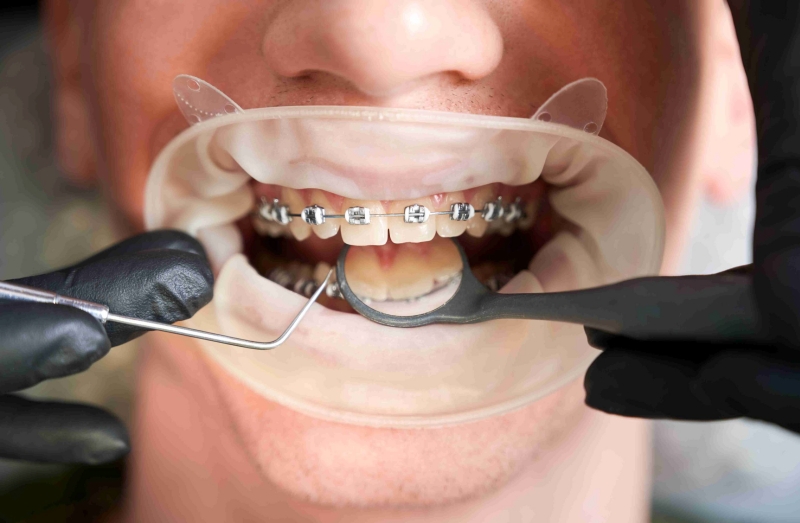
This traditional method uses metal brackets bonded to the teeth, with wires threaded through the brackets and secured by elastic bands (O-rings).
- Advantages: Affordable, highly effective, and customizable with colorful elastic bands.
- Common Uses: Suitable for most dental alignment issues.
- Self-Ligating Braces
This innovative system combines self-ligating brackets with high-tech arch wires for faster and smoother tooth movement.
- Advantages: Reduced friction and discomfort. Fewer dental visits required. Easier to clean, lowering the risk of cavities and gum inflammation.
- Materials Used: Two popular brands include Damon and Speed Align, selected based on the patient’s needs as determined by the dentist.
Removable Aligners
This type of orthodontic treatment uses removable appliances for easier maintenance and convenience. It focuses on aligning teeth while preserving aesthetics.
- Clear Aligners (Invisalign)
A cutting-edge and highly popular choice made of transparent polymer trays that are lightweight, comfortable, and barely noticeable.
- Advantages: Aesthetic appeal with a clear, inconspicuous design. Removable for eating and cleaning. Minimal visits to the dentist.
- Considerations: Higher cost compared to other methods.
- Affordable Clear Aligners (Align Plus)
A budget-friendly alternative designed for minor dental adjustments, focusing on the front upper and lower teeth without requiring tooth extractions.
- Advantages: Affordable and efficient for minor corrections. Noticeable results within approximately one month. Removable and easy to clean. Does not affect speech or eating habits.
Who Should Consider Orthodontic Treatment?
Orthodontics is recommended for individuals experiencing the following dental issues:

- Gaps or Misaligned Teeth: Large gaps or unevenly aligned teeth that make it difficult to chew food thoroughly.
- Crowded, Protruding, or Crooked Teeth: Misaligned teeth that hinder proper brushing, increasing the risk of cavities and gum inflammation.
- Collapsed or Tilted Teeth: Teeth that have shifted or tilted due to prolonged absence of replacements after tooth extraction.
- Jaw Deformities or Malocclusion: Misaligned jaws or improper teeth alignment caused by habits like thumb-sucking or swallowing disorders.
- Trauma or Accidents: Injuries that result in tilted or collapsed teeth, requiring realignment through orthodontics.
- Improper Bite (Malocclusion): Issues like overbites, underbites, or crossbites that disrupt proper dental function and require professional correction.
Why Is Wearing a Retainer After Braces Important?
Retainers play a crucial role in maintaining the alignment of your teeth after orthodontic treatment. Once your braces are removed, your teeth are still not fully stabilized in their new positions. Without a retainer, they may shift back to their previous alignment.
Reasons for Wearing a Retainer:
- Stabilizing Tooth Position
After braces, the bone and gums need time to adapt and rebuild around the newly aligned teeth. Retainers help hold the teeth in place during this adjustment period.
- Preventing Relapse
Skipping retainer use can cause teeth to shift, potentially undoing the results of orthodontic treatment.
- Ensuring Long-Term Results
Retainers ensure that the beautiful and orderly alignment achieved through braces remains intact.
The Importance of Dental Scaling During Orthodontic Treatment
Dental scaling during orthodontic treatment is a vital step in maintaining oral health. It is part of the overall oral clearance process, which ensures the mouth is healthy and ready for braces. This process involves a detailed examination of teeth and gums to address any issues that may interfere with orthodontic progress.
Key Components of Oral Clearance:
Dental Scaling (Cleaning)
- Removes plaque and tartar buildup from teeth surfaces and between teeth.
- Reduces bacterial accumulation that can lead to oral diseases such as gum inflammation or cavities.
Tooth Filling
- Addresses issues like chipped, cracked, or decayed teeth.
- Ensures all teeth are in good condition before braces are applied.
Tooth Impaction Removal (Wisdom Tooth Extraction)
- Extracts wisdom teeth that could obstruct orthodontic plans.
- Prevents delays in treatment and avoids complications that may arise from impacted teeth later.
Why Scaling Is Crucial During Braces:
- Prevents Plaque Accumulation: Braces create spaces where food particles and bacteria can easily get trapped, leading to tartar buildup.
- Promotes Gum Health: Healthy gums are essential for successful orthodontic treatment.
- Supports Long-Term Oral Health: Regular cleaning helps prevent issues that could complicate or prolong the treatment process.
By addressing these factors through oral clearance, patients can ensure their orthodontic treatment progresses smoothly and effectively, resulting in healthier teeth and a beautiful smile.
Post-Orthodontic Care: How to Maintain Healthy Teeth After Braces
Once your braces are removed, it’s essential to maintain proper oral hygiene and follow the dentist’s instructions to ensure the best long-term results. Here are some key steps to take care of your teeth after braces:
- Use Specialized Toothbrush and Toothpaste: Choose a toothbrush and toothpaste designed for orthodontic care to ensure effective cleaning around braces and wires.
- Use Fluoride Toothpaste: Fluoride helps prevent cavities and strengthens enamel, which is essential after braces to protect your teeth.
- Clean Your Teeth After Every Meal: Brush your teeth and use dental floss or interdental brushes after every meal to remove food particles and plaque buildup.
- Follow Dentist’s Instructions Carefully: Adhere to guidelines for wearing rubber bands, retainers, and other appliances as prescribed by your orthodontist.
- Avoid Hard or Sticky Foods: Steer clear of foods that are too hard or sticky, as they may damage braces or make cleaning difficult.
- Limit Sugary Foods: Avoid excessive consumption of sugary foods and drinks, as they can increase the risk of tooth decay and complicate oral hygiene.
- Attend Regular Dental Checkups: Keep your scheduled dental visits, and make sure to see your dentist every 6 months for a thorough check-up and cleaning.
FAQs
- How long does it take for teeth to settle after braces?
Answer: Typically, it takes around 1 to 3 years, depending on the severity of the dental issues and the patient’s compliance. Following the dentist’s instructions closely and attending regular checkups can help the treatment proceed more quickly and efficiently.
- At what age should I get braces for the first time?
Answer: Generally, the last baby tooth falls out around 12 years of age. If there are dental issues that require braces and no jawbone problems, orthodontic treatment can begin at this age. This is a prime time because the jawbone and teeth are still more flexible and easier to move than in adults.
- Will braces change the shape of my face?
Answer: Yes, braces can have an impact on facial appearance. They help align teeth properly, reducing protrusion around the mouth area, which can enhance the overall shape of the face. In some cases, tooth extraction may also be part of the treatment. For example, removing upper teeth can make the nose appear more prominent, while removing lower teeth can make the chin appear more defined, even though the nose and chin themselves haven’t changed.