OPEN: 10.00 AM – 8.00 PM


 OPEN: 10.00 AM – 8.00 PM
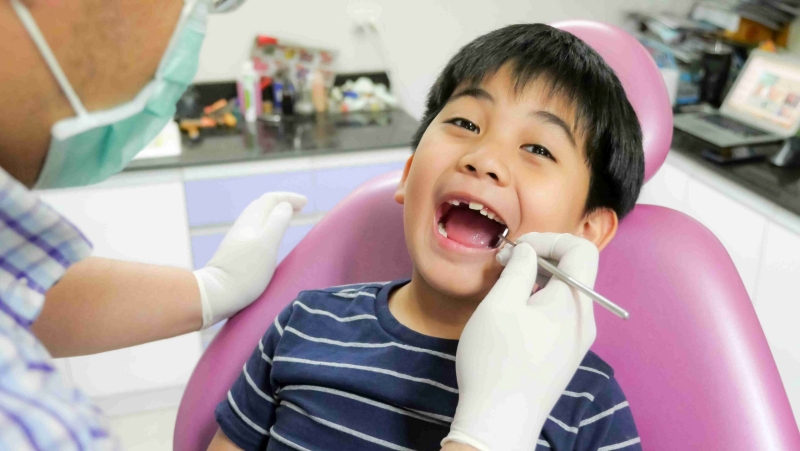
Pediatric dental care is crucial for your child’s development. While it may seem that baby teeth are less important than permanent teeth, neglecting them can lead to oral health problems.
Since children lack the knowledge and ability to properly care for their teeth, it becomes the responsibility of parents to consistently promote good oral hygiene habits. Strong teeth contribute to overall health, so parents should not overlook their child’s oral health. Regular visits to the dentist, as recommended for their age, are essential to ensure their teeth stay healthy.
Pediatric dentistry (Pedodontics) is a specialized field focused on the dental care of children and adolescents. It involves the prevention, diagnosis, treatment, and guidance regarding oral health by a pediatric dentist. The dentist uses psychological principles and communication techniques to help children develop positive attitudes and behaviors toward maintaining their oral health.
Early detection of dental issues, such as cavities, gum inflammation, or crooked teeth, allows for treatments that can reduce pain and prevent higher costs in the future. Pediatric dental services include:
The dentist will examine the development of teeth at different stages of growth, jaw development, and potential dental problems like cavities or misaligned teeth. They also manage the transition from baby teeth to permanent teeth and lay the foundation for proper oral care.
Fluoride treatments strengthen teeth and help prevent cavities by inhibiting the bacteria that cause tooth decay. Dental sealants are commonly applied to the molars, as they have deep grooves that are harder to clean, helping to reduce food debris accumulation.
Scaling removes plaque and tartar from the teeth, which helps prevent tooth decay, gum disease, and bad breath.
If a child develops cavities due to neglecting oral care, the dentist may need to fill the cavity in the baby tooth, restoring the tooth’s function.
This is a last resort when a tooth cannot be saved. Dentists often recommend extraction in cases like deep decay reaching the nerve or when baby teeth interfere with the eruption of permanent teeth. This prevents further complications later.
If a child’s tooth is broken, cracked, or chipped, the dentist may use a crown to restore the tooth’s function without extracting it. The crown remains in place until the baby tooth naturally falls out.
For cavities that have reached the nerve, the dentist may perform a root canal to remove infected tissue, clean the tooth, and seal it to preserve the baby tooth until the permanent one erupts.
If a child has crooked, misaligned, or spaced teeth, braces may be necessary to correct these issues. This treatment can improve dental function and self-esteem, preventing further oral problems in the future.

The structure and composition of baby teeth are different from permanent teeth, which makes them more susceptible to cavities. As a result, pediatric dentistry focuses on preventing tooth decay and promoting healthy oral habits, encouraging children to clean their teeth regularly.
Children often have difficulty cooperating during dental treatments, so it’s essential to visit a pediatric dentist with experience handling young patients. Pediatric dentists use child-friendly psychological techniques and communication to guide children through the process, ensuring they follow instructions without feeling forced. This approach helps prevent psychological trauma that could lead to anxiety during future dental visits.
Parents can take their child to the dentist as soon as the first baby tooth erupts, which typically occurs before the age of one. During this visit, the dentist will focus primarily on preventing cavities, as children often enjoy sugary snacks, drinks, or milk before bed—factors that can contribute to tooth decay if not properly managed.
Taking your child to the dentist from a young age helps establish good oral habits, such as brushing techniques and proper mouth care, while also encouraging the avoidance of certain foods to prevent cavities. Early visits can also reduce future fear or anxiety about dental treatments as they grow older.

A child’s fear often stems from previous negative experiences, so parents play a crucial role in changing the child’s attitude towards the dentist. To help alleviate this fear, parents can:
Answer: The dentist will primarily examine the child’s oral health, the eruption of baby teeth, the alignment of teeth, and provide guidance on proper brushing techniques for the parents. Additionally, the dentist will advise on avoiding foods that may cause tooth decay.
Answer: It is recommended to visit the dentist every 6 months for a check-up, fluoride treatment to prevent cavities, and to closely monitor the eruption of teeth.