clock OPEN: 10.00 AM – 8.00 PM

OUR SERVICESRemovable Dentures

What are removable dentures? How many types are there, and what are the pros and cons of each?

Wearing removable dentures is not as worrying as it may seem. On the contrary, it can actually boost your confidence. Dentures help fill the gap left by lost natural teeth, restoring the health of your mouth and maintaining good hygiene, allowing you to smile with confidence once again.

It is often said that a smile makes a lasting impression on others from the very first moment they see it. Having a beautiful smile can significantly enhance your self-confidence. Therefore, taking care of your oral health is essential. One solution to maintaining good oral health and a beautiful smile is wearing dentures, especially when natural teeth are lost. So, what are dentures? How many types are there? What do removable dentures look like, and are they hard to maintain? Today, The Tooth Club will answer all of these questions for you.

What are Removable Dentures?

Removable dentures are artificial teeth designed to replace lost natural teeth due to various reasons. They help prevent other teeth from shifting or being affected by the gaps left by missing teeth. Unlike fixed dental work, removable dentures can be taken out for cleaning and maintenance and are not permanently attached to the mouth. These dentures can replace a single tooth or multiple teeth and are ideal for individuals who have lost some or all of their natural teeth.

Types of Removable Dentures and Who They Are Suitable For

Removable dentures are classified into three types based on the material used to make them:

  • Plastic Base Dentures: These dentures have a plastic base and are quite thick. They are ideal for temporary use or for individuals who have lost only a few teeth. They are lightweight and more affordable compared to other types of dentures. However, because the base is thick, they may feel uncomfortable and can break more easily. They are not as durable as metal-based dentures.
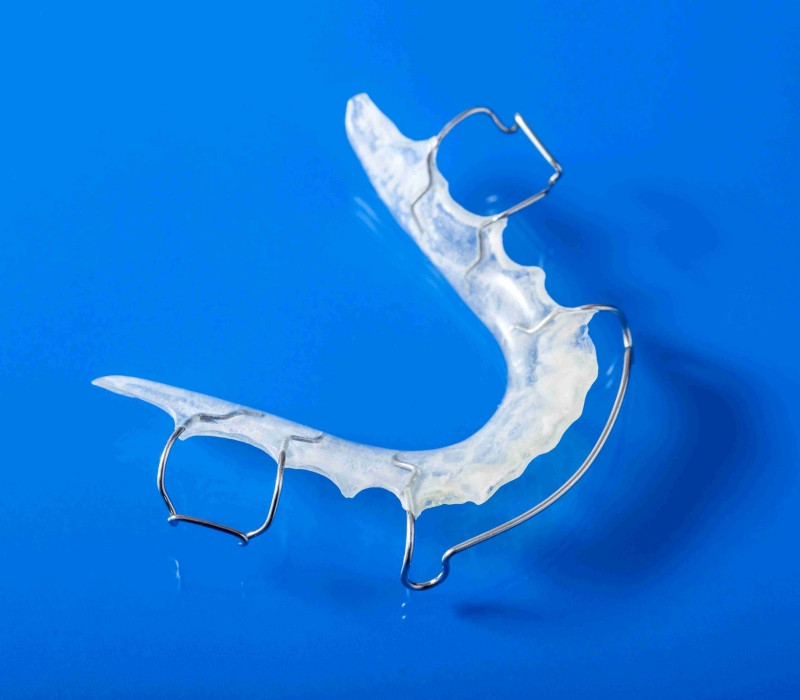
  • Metal Framework Dentures: These dentures have a metal base and offer a better fit by securely attaching to surrounding teeth. They are stronger, more durable, and comfortable to wear since they sit more closely to the teeth and gums. However, sometimes the metal framework may be visible inside the mouth.
  • Flexible Base Dentures: Made from a flexible plastic material, these dentures are designed to replace a few missing teeth. They offer better flexibility compared to plastic base dentures and are more comfortable to wear. They also blend in more naturally with the gums due to their color, making them less noticeable than metal base dentures.

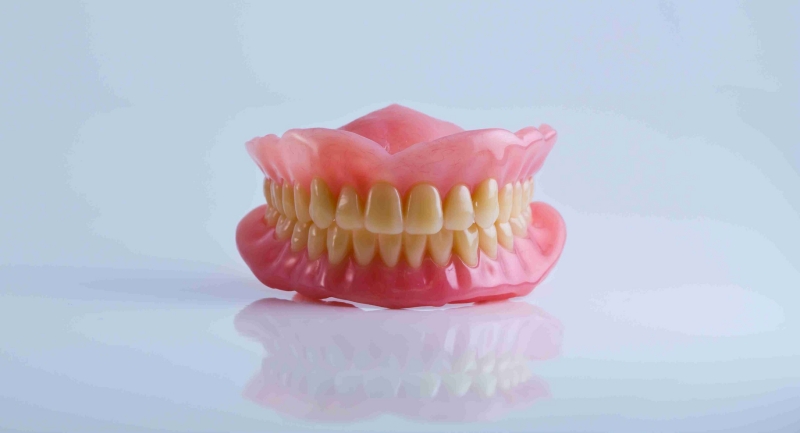
Additionally, full dentures are available, which are made entirely from plastic or a combination of plastic and metal. These are suitable for elderly individuals who have lost all of their natural teeth or those who have lost teeth from both the upper and lower jaws.
Advantages and Disadvantages of Removable Dentures

Advantages:
  • Affordable: Removable dentures are relatively inexpensive compared to other dental treatments.
  • Quick and Simple: They are made in a short period and do not require complex procedures.
  • Aesthetic Appeal: They closely resemble natural teeth, providing a natural appearance.
  • Prevents Adjacent Teeth from Shifting: They help keep surrounding teeth from tilting or moving out of place, and prevent opposing teeth from growing down or misaligning.
  • Easy to Clean: They can be easily removed for cleaning, which helps maintain oral hygiene.
  • Versatile: Can be used to replace several missing teeth or even an entire set of teeth.
Disadvantages:
  • Potential Discomfort: They may feel uncomfortable or cause irritation when worn for extended periods.
  • Difficulty Chewing Certain Foods: Eating hard or sticky foods may be challenging, and it could cause discomfort or gum pain.
  • Loosening Over Time: After prolonged use, dentures may loosen or shift out of place.
  • Food Debris: Food particles can get trapped under the dentures, making cleaning more important.
  • Risk of Forgetting: People may occasionally forget to remove them, leading to potential damage or the need for replacement.

Steps for Getting Removable Dentures

  • Initial Oral Examination: The dentist conducts a thorough examination of the mouth.
  • Taking Impressions: A mold is made of your mouth to create a model of your teeth or to check the bite.
  • Evaluation and Selection: The dentist evaluates the alignment of your teeth and selects a tooth color that closely matches your natural teeth.
  • Fitting the Dentures: The dentures are fitted, and the dentist provides instructions on how to care for and maintain them.
  • Follow-Up Visits: Return for follow-up appointments to monitor the effectiveness and comfort of the dentures and to make any necessary adjustments.

How to Care for Removable Dentures

  • Address discomfort: If you experience tooth sensitivity, gum pain, or loosening while chewing, visit the dentist for adjustments.
  • Avoid hard or sticky foods: These may strain the dentures and affect their function.
  • Remove before bedtime: Take the dentures out every night to give your gums a rest.
  • Handle with care: Be careful not to drop the dentures, as this could cause them to crack or break.
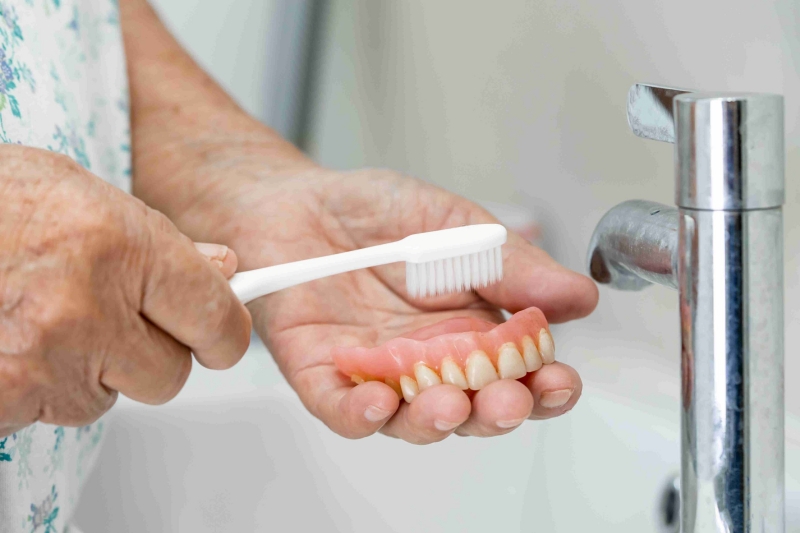
  • Clean after meals: Remove the dentures after eating and clean them thoroughly.
  • Avoid toothpaste: Do not use regular toothpaste to clean dentures, as it may cause wear.
  • Use cleaning tablets: Use effervescent denture cleaning tablets weekly for the best results.
  • Soak when not in use: Always store dentures in clean water to prevent them from drying out.
  • Regular check-ups: Visit the dentist every six months to ensure the health of your mouth and the condition of your dentures.

FAQs

  • Why can’t I speak clearly after wearing dentures?

Answer:It’s normal to have unclear speech after getting dentures because your tongue and other parts of your mouth need time to adjust to the new dentures. Generally, after about one week, your speech should return to normal.

  • How long do removable dentures last?

Answer:On average, removable dentures last between 5 to 10 years, depending on usage, daily habits, and how well they are cared for. If you notice any issues with your dentures, you can consult your dentist for advice.

  • Can removable dentures be covered by social security insurance?

Answer: Yes, removable dentures are eligible for coverage under social security. For partial dentures (1-5 teeth), you can claim up to 1,300 THB. For 5 teeth, the coverage is 1,500 THB. For upper or lower full dentures, the coverage is 2,400 THB, and for both upper and lower full dentures, the coverage is 4,400 THB. This coverage applies from the date of denture placement.