OPEN: 10.00 AM – 8.00 PM


 OPEN: 10.00 AM – 8.00 PM
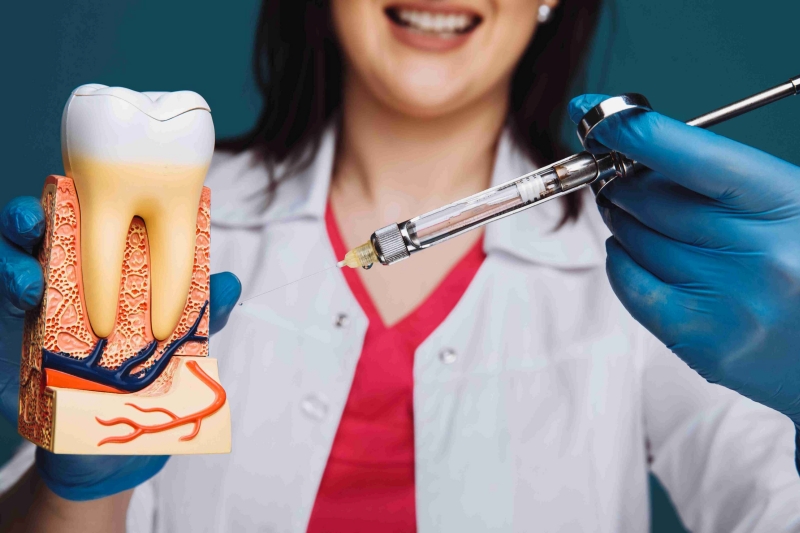
If you’re afraid of root canal treatment and hesitant to visit the dentist, it’s understandable that you might tolerate the pain of chewing just to avoid the procedure. But here’s the truth: root canal treatments aren’t as scary as they seem. In fact, they can help you avoid much more serious dental issues.
If you have a cavity and experience pain while chewing, toothaches, or sensitivity that doesn’t go away, it could be a sign of an underlying root issue that you shouldn’t ignore. It’s important to see a dentist promptly so that the problem doesn’t worsen, potentially leading to tooth loss.
Let’s clear up any fears you may have and understand the root canal process better. It’s not as intimidating as you might think, and getting the treatment early on will save your tooth and your smile. With the right care, you’ll be able to get back to enjoying your food without the pain!
Root canal treatment is the process of removing the infected or inflamed tissue from the center of the tooth, which causes inflammation or infection. This tissue, known as the pulp, is located in the tooth’s pulp chamber and root canals. The dentist will clean the pulp chamber and root canals to remove any bacteria or infection, then repair and seal the root canal to restore the tooth’s structure.
This treatment helps save the tooth, allowing it to function normally without the need for extraction. If left untreated, the infection can cause the tooth to die, leading to an abscess, darkened tooth color, and even facial swelling in some cases. Root canal treatment is a way to preserve your natural tooth and avoid extraction.
The pulp chamber is the innermost layer of the tooth, containing blood vessels, nerves, and lymphatic vessels. When a cavity progresses to the pulp chamber, it can cause intense tooth pain and sensitivity. If the infection spreads to the tip of the tooth root, it may lead to root inflammation, which can cause further complications. It’s important to address dental issues before they reach the pulp chamber to prevent serious infection and the need for more invasive treatments like a root canal.
Root canal treatment is necessary to restore the function of the tooth, allowing it to be used for eating and chewing normally. It also helps prevent the spread of dental issues to other teeth. The main reasons for needing root canal treatment are:
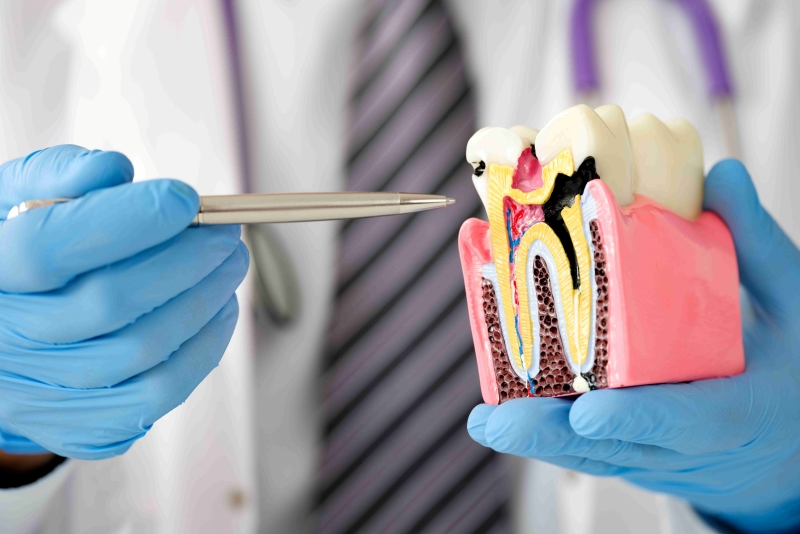
Sometimes, an infected or inflamed root may not cause immediate pain, or the pain may have subsided on its own. However, the issue still persists and can return, potentially leading to more severe infections. Ignoring the problem can increase the risk of further complications. Therefore, it’s important to visit the dentist for a thorough checkup and seek root canal treatment right away. This helps prevent future tooth loss and further dental damage.
Root canal treatment can be performed in two ways:
The dentist will take X-rays to determine the length of the root canals. They will then clean the inside of the root canals to remove bacteria and damaged tissue. Afterward, the root canals are temporarily sealed with a material called Gutta Percha until the infection is fully cleared.
If the standard method is not effective, the dentist may recommend surgery to access the tip of the root. In this procedure, a small portion of the root tip is removed, and the area is cleaned. The cleaned area is then sealed with a material to prevent further infection.
Both methods aim to preserve the tooth and prevent further damage.
An abscess at the root tip is a serious warning sign that there is a problem with the root of the tooth that requires urgent treatment. This occurs when pus accumulates at the root tip, which can either drain out visibly or be detected through X-rays. The condition typically arises from leaving a tooth decayed for an extended period without treatment, leading to inflammation of the tissue around the root tip. Proper root canal treatment is necessary before the tooth can be filled to prevent further complications.
A crown is necessary after root canal treatment to prevent the tooth from fracturing. The process of root canal treatment is complex and is typically done in multiple visits, which can weaken the tooth. A crown helps to protect the treated tooth and restore its function. The type of crown material can be chosen based on factors such as durability, aesthetics, and the location of the tooth.
Preparing for root canal treatment is essential to ensure that the dentist can perform the procedure effectively, which will lead to better results and reduce the risk of complications or infections. It is important to follow the dentist’s instructions carefully.
Here are the steps to prepare:

When a dentist determines that root canal treatment is necessary, the cost will depend on the method of treatment and the complexity of the case. On average, the cost ranges from 6,000 to 12,000 Baht. The total cost is divided into two main parts: the cost of the root canal treatment and the cost of dental restoration (such as crowns or fillings).
The cost may vary depending on the tooth’s location. For example, front teeth tend to be less expensive to treat compared to molars. The price also varies based on the complexity of the procedure and the restoration needed. Additional costs may apply for things like X-rays, crowns, posts, or other supplementary procedures.
After undergoing root canal treatment, it is crucial to follow the dentist’s advice closely to ensure effective healing and to maintain the treated tooth for long-term use. Here are the recommended care guidelines:
After undergoing a root canal treatment, patients may experience certain side effects, mostly within the first 2–3 days. These side effects typically resolve on their own. Common symptoms include:
Pain or Discomfort
Persistent Pain
Reinfection
It’s essential to choose a clinic or healthcare facility that meets international standards and has specialized dentists to ensure safe and effective root canal treatment. Expert care helps restore the strength and beauty of your teeth while minimizing risks.
At The Tooth Club, we are a full-service dental clinic led by Dr. First, Dr. Warangkana Lamyai, who has over 15 years of experience in dentistry. She specializes in dental implants and handles both standard and complex cases with ease. Our clinic is equipped with state-of-the-art technology to provide top-notch care at an affordable price.
If you’re experiencing dental issues or need a consultation, feel free to contact us. We offer free consultations with no obligations. Let us help you achieve healthy, beautiful teeth!
Answer: The root canal contains nerves and blood vessels, so some discomfort during treatment is possible. The level of pain varies depending on the tooth’s location and the individual’s root canal condition.
Answer: Natural teeth are essential and more durable than artificial ones. They provide a more natural chewing experience. If the dentist determines that the tooth can be saved through root canal treatment, it is recommended to proceed with treatment rather than extraction. Removing a tooth can cause adjacent teeth to shift, leading to gum problems and other complications later.
Answer: Each session typically lasts 30 minutes to 1 hour. Depending on the complexity of the case, it may take 2-4 visits to complete the treatment.
Answer: Yes, you can get braces after completing root canal treatment. However, any infected teeth must be treated first to avoid further damage or complications during orthodontic treatment.
Answer: The timeline depends on the severity of the infection. For minor cases, it may be completed in a single visit. Most cases take two sessions spaced 1-2 weeks apart. Severe cases or complications may require additional time, as determined by the dentist.
Answer: Typically, the pain subsides within 2-3 weeks. However, this may vary depending on the severity of the dental issue in each case.