OPEN: 10.00 AM – 8.00 PM


 OPEN: 10.00 AM – 8.00 PM
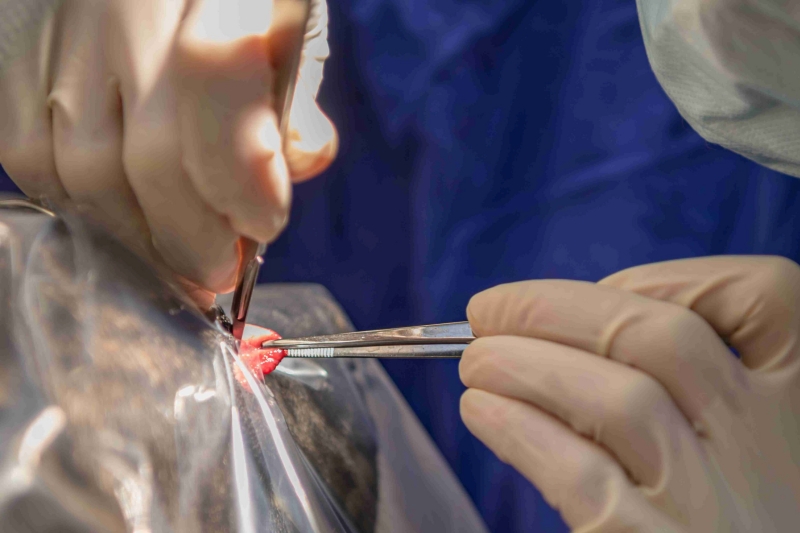
Speech difficulties, slow speech, or unclear pronunciation might often be overlooked in childhood. These issues may not stem from teeth, oral structures, or the tongue itself but could result from a restrictive lingual frenulum (tongue-tie). Let’s explore what tongue tie revision entails, the different methods available, and who may benefit from it.
A tongue-tie refers to a thin band of tissue under the tongue connecting it to the floor of the mouth. While this tissue is normal and found in everyone from birth, it typically doesn’t restrict tongue movement. However, in some cases, it may remain overly tight or extend too close to the tongue tip, causing issues like limited tongue movement, unclear speech, difficulty chewing, and trouble swallowing.
The frenulum plays a role in anchoring the tongue to the mouth floor, aiding in efficient movement for speaking, chewing, tasting, and swallowing. However, an abnormally tight frenulum can lead to tongue-tie, which might disrupt daily life. In such cases, doctors may recommend a minor surgical procedure called a tongue-tie revision or frenectomy to restore normal oral functions.
Tongue Tie Revision (Frenectomy) is a minor procedure performed using various techniques:
For adults, the procedure typically involves local anesthesia combined with electrocauterization. The surgery lasts about 1–5 minutes, with a recovery time of 2–4 hours, after which patients can resume daily activities.
Cost: Prices vary depending on the complexity, age of the patient, and technique used. On average, the procedure starts at 8,000 THB.
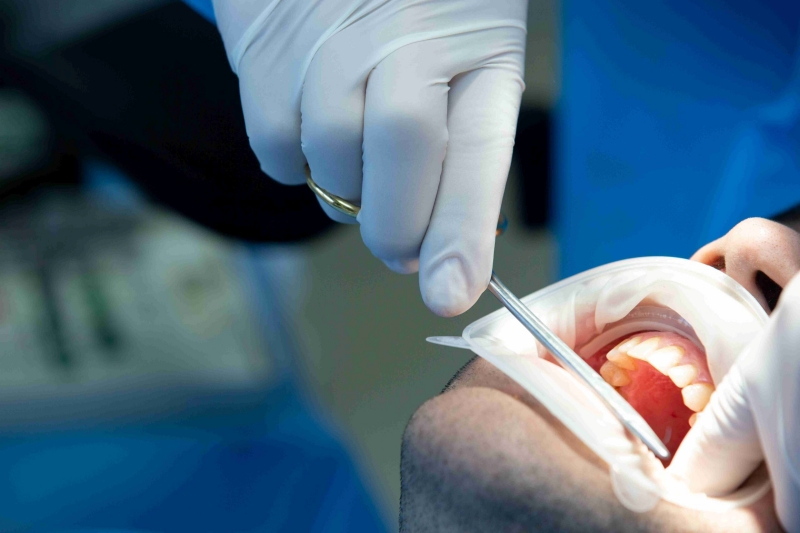
Individuals experiencing the following symptoms may benefit from a tongue-tie revision:
If you or someone you know has these symptoms, consulting with a specialist is highly recommended.
The tongue plays a crucial role in clear speech, especially for pronouncing certain sounds. A restrictive frenulum reaching the tongue tip can lead to unclear speech, difficulty with blended consonants, and decreased confidence. Surgical treatment is typically straightforward, minimally invasive, and requires no recovery time, allowing patients to return to normal activities immediately.
Answer: No, the procedure is painless as local anesthesia is applied beforehand. It typically takes 1–5 minutes, and the incision is very small, requiring no downtime.
Answer: Yes, if tongue movements remain restricted post-surgery, scar tissue may form, leading to a recurrence.