OPEN: 10.00 AM – 8.00 PM


 OPEN: 10.00 AM – 8.00 PM
24/09/2024
Usually, when a tooth needs to be extracted—whether due to decay, impacted wisdom teeth, or a broken tooth—the standard approach is simply to remove the tooth. However, if you plan to get a dental implant in the future, a regular extraction might not be the best option.
Socket Preservation is a crucial step for those who need a tooth extraction and are considering a dental implant later on. But why is it so important? Let’s explore the answers together.
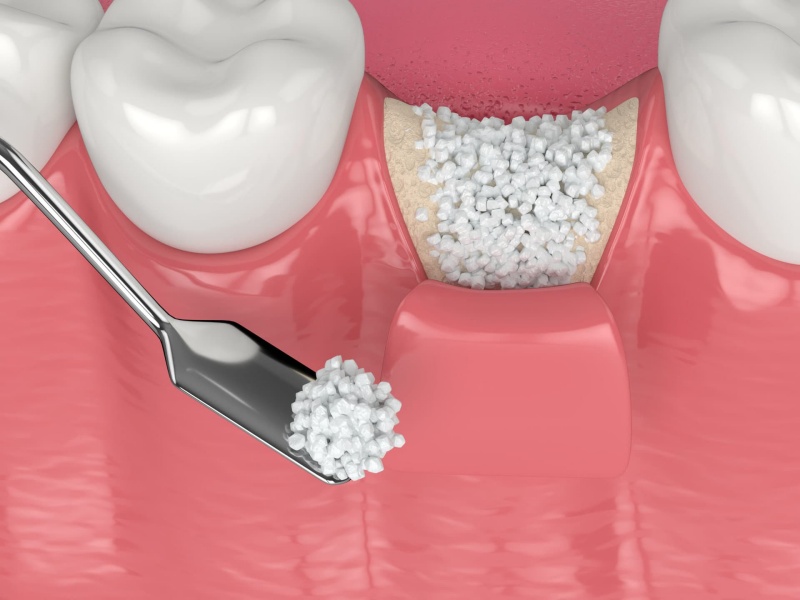
Socket Preservation is a dental procedure performed immediately after tooth extraction to maintain the shape of the tooth socket and prevent bone loss in the area. This is done by filling the empty socket with special materials, which helps preserve the bone and surrounding gum tissue from collapsing. This process makes it easier and more effective to place a dental implant in the future.
After tooth extraction, the bone supporting the tooth root starts to naturally resorb, causing the empty socket to gradually shrink. If left untreated for a long period, the bone may deteriorate to the point where there is not enough bone left to support a dental implant in the future.
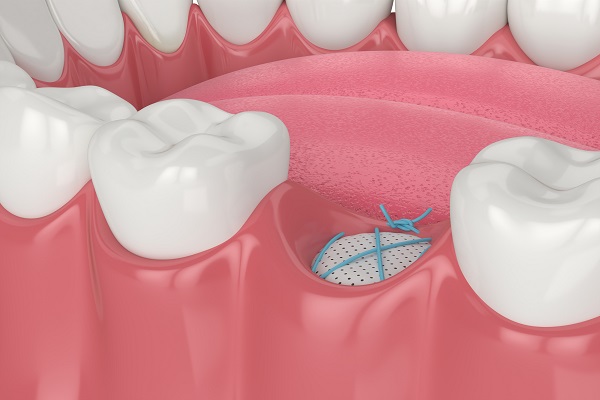
There are several methods for performing Socket Preservation, but generally, biological materials such as synthetic bone or membranes are used to fill the empty space left by the extracted tooth. This stimulates bone cells to regenerate and replace the lost bone. Common methods include:
Socket Preservation is ideal for those planning to extract a tooth and later get a dental implant, especially for the following groups of patients:
Therefore, Socket Preservation is a worthwhile long-term investment, as it helps patients achieve durable and long-lasting dental implants. If you are planning to have a tooth extraction, it is recommended to consult with a dentist to see if Socket Preservation is suitable for you.
When getting dental implants, it’s important not only to understand the meaning and procedure of dental implants but also to …
2 years agoAnother type of dental implant suitable for those who have lost all their teeth is the 3 on six. If …
2 years agoSmall issues like chipped or cracked teeth can have long-term effects on both health and appearance without us even realizing …
2 years ago